How Color Psychology Improves Work Performance
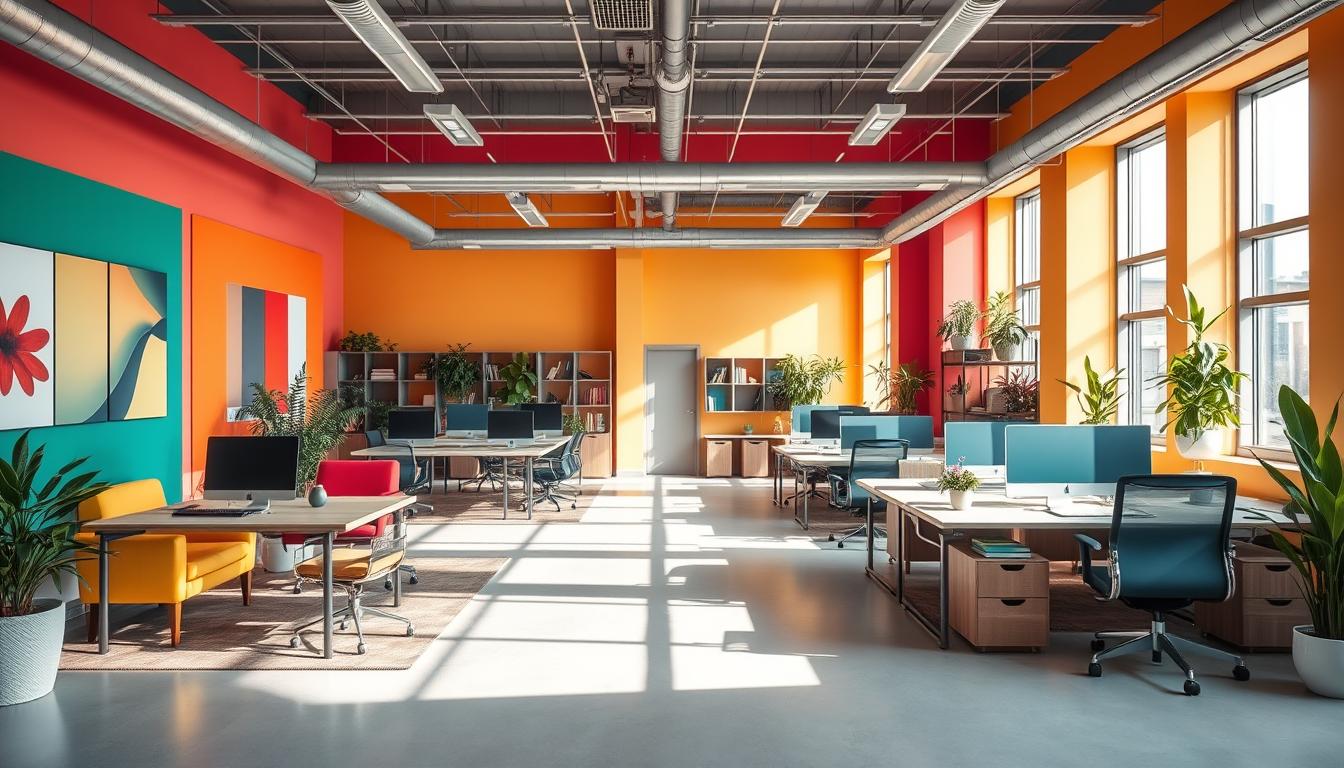
Color psychology affects how we feel and work at the office. Different colors can change our heart rate, focus, and mood. Offices use color psychology to pick colors that fit a room’s purpose.
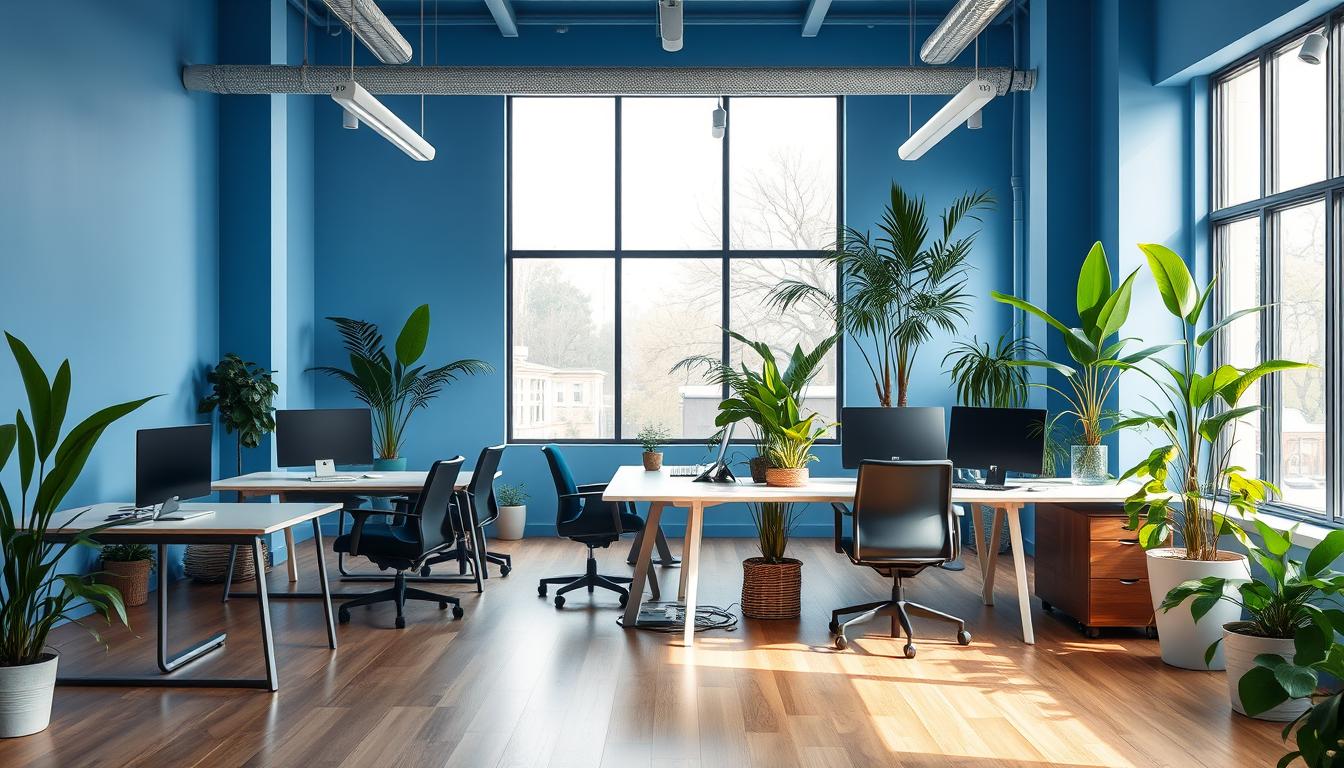
Red draws our attention and makes us act. It’s good in small amounts for work areas or safety signs. Yellow encourages creativity and is great for brainstorming areas. Blue helps teams relax and focus better. Green reduces eye strain and is perfect for open areas.
White and gray are professional but can feel cold without some warm colors. Combing colors like blue and yellow in meeting rooms, or green with wood in break areas, mixes focus with creativity.
Design teams at companies like Herman Miller and Steelcase explore colors for office design. They use tools to see color schemes in 2D and 3D. Choosing the right workplace colors can improve productivity, lower stress, and increase work output.
Content created with the help of Artificial Intelligence.