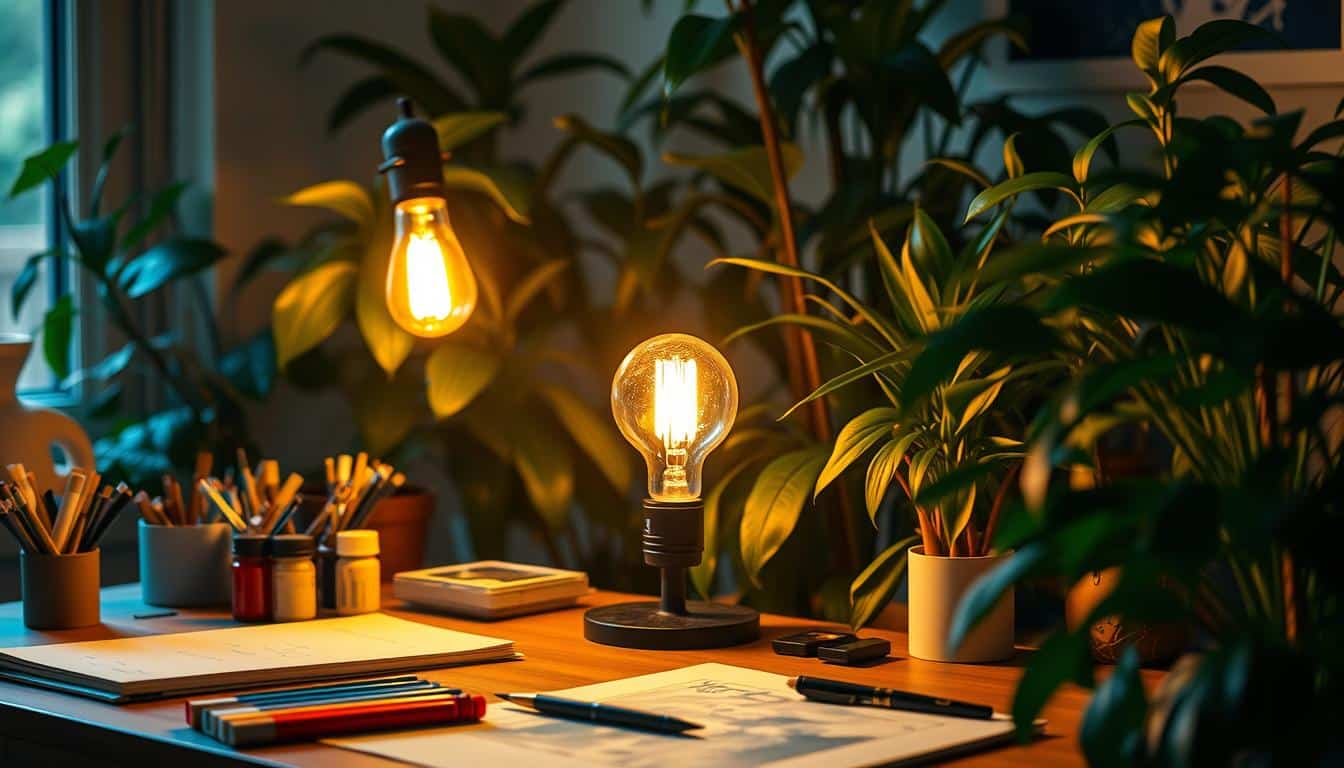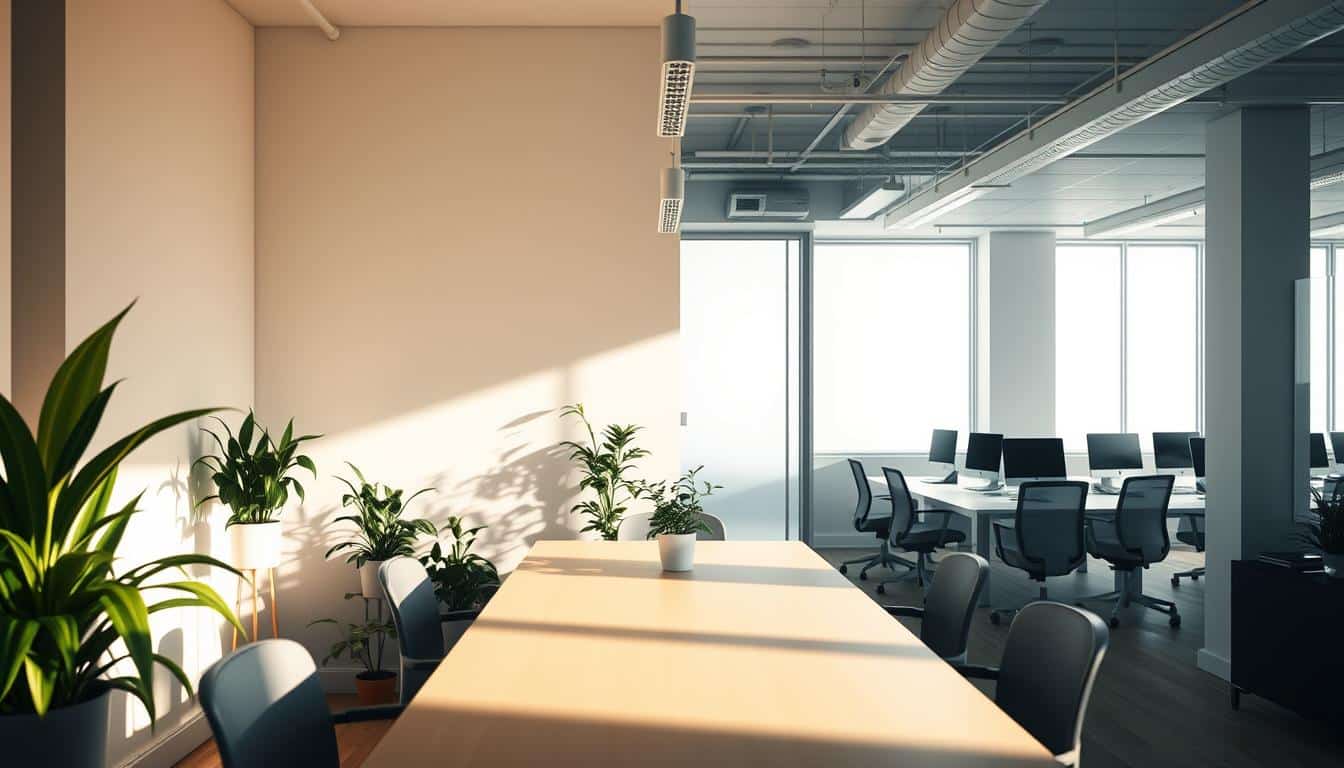
In feng shui, lighting is like fire. It affects how energy flows in your home. Well-thought-out lighting can make us feel good, bring wealth, and calm our minds. Natural light is best, but how you light your indoors is key. Use lights that mimic the sun and arrange them well for good health.
When adding LED lights with feng shui in mind, don’t just have one bright lamp. It’s glaring. Instead, mix different lights, add reflective objects, and use lights that shine upwards. This removes dark spots and makes rooms feel welcoming. Choose warm lights under 3000K to relax, and cooler ones above 3000K for focus and energy.
The shape and spot where you place lights change the vibe of a room. Go for round, soft-shaped lights to keep bad energy away. Use LEDs you can dim to match what you’re doing. Changing bad bulbs and cleaning keeps your lights perfect. This means energy moves freely.
Key Takeaways
- Consider natural light first; supplement with full‑spectrum LEDs to mimic sunlight.
- Balance bright and soft sources to match Yin and Yang in each room.
- Choose warm LEDs (under 3000K) for rest areas and cooler tones for active zones.
- Prefer rounded fixtures and uplighting to avoid Sha Qi and open spaces.
- Use dimmers and adjustable LEDs to fine‑tune mood and energy throughout the day.
Why Lighting Matters in Feng Shui: Energy, Yin and Yang
Lighting shapes how we feel about a space. In feng shui, light brings warmth, change, and clarity as the fire element. It’s important to place and choose lights carefully because they change the room’s energy. They’re not just for looks.
Light as the fire element and its role in chi
The fire element is connected to passion and action. Using full-spectrum bulbs or natural sunlight boosts good energy. It helps you focus on tasks. In dark spaces, adding uplighting and mirrors can move energy and keep the mood soft.
Balancing Yin and Yang with lighting levels
Spaces filled with bright light are Yang, which means they’re lively. Rooms with dim, soft lighting are Yin, offering peace. Balance these by using different lights for different needs. Adding dimmers lets you change the light’s strength through the day.
Effects of natural light versus artificial light on wellbeing
Sunlight is best for our well-being. It improves our mood, sleep, and health. When there’s not enough natural light, use high-quality LEDs to simulate sunlight. This keeps energy balanced. Avoid harsh lights that cause glare. Use multiple lights to keep every corner feeling cozy and lively.
LED Lighting and Feng Shui: What to Know
Good lighting impacts the feel of a room and its energy flow. Modern LEDs control brightness and color well, aiding feng shui balance. Layered lighting, dimming, and color adjustability help achieve a harmonious space with less heat and energy waste.
Advantages of LEDs for Feng Shui-friendly lighting
LEDs’ adjustable intensity and direction reduce harsh glare, combating Sha Chi. Their cool operation lets them be placed close to fabrics and plants. This allows for adding soft lights in corners and pathways.
Smart LEDs work great with dimmers and scenes. These features easily shift a room’s mood from lively to calm. Adjusting light levels can balance the fire element in feng shui, maintaining comfort and saving energy.
Color temperature (Kelvin) choices for different feng shui zones
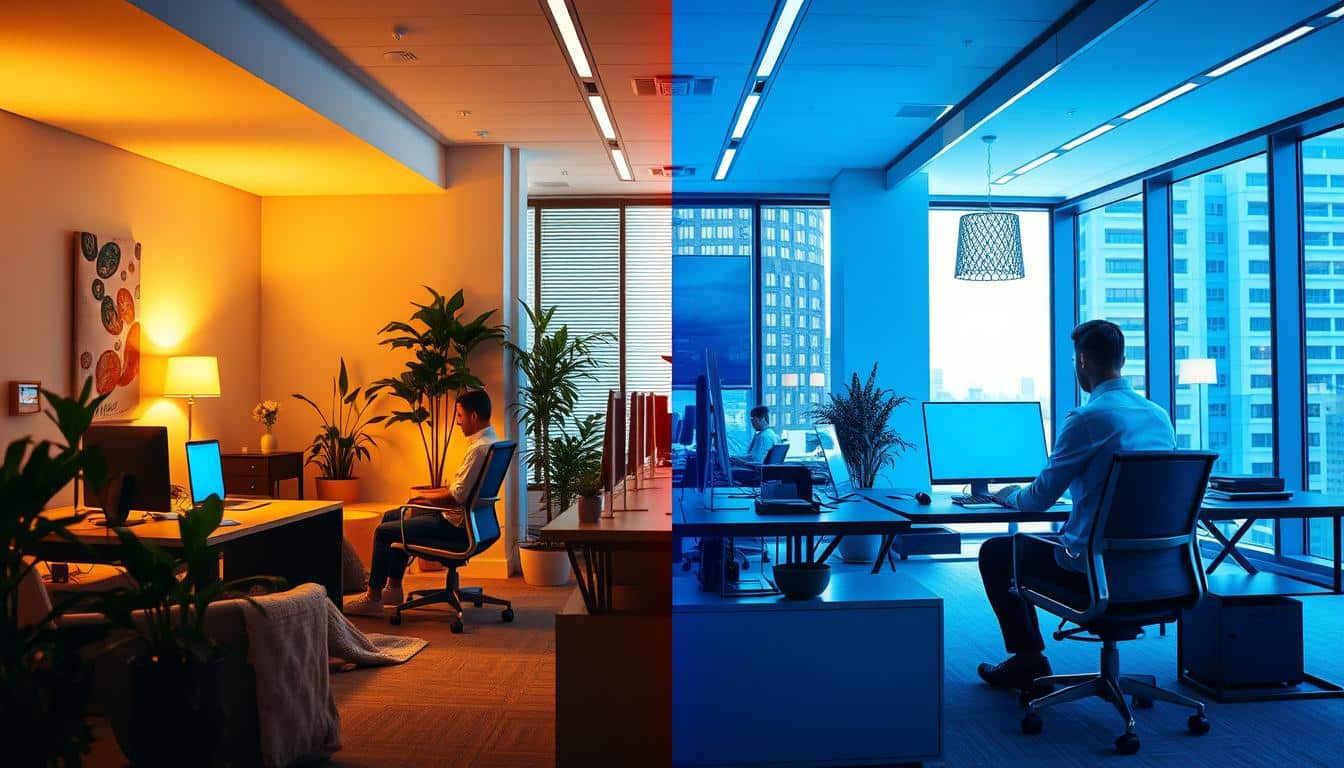
Pick Kelvin values fitting each room’s purpose. Warm tones, 2700K–3000K, soothe in bedrooms and living spaces. Cooler tones, 4000K–5000K, enhance focus in kitchens and offices.
LEDs in specific colors set the right mood and purpose. Mix warm and neutral lights to smoothly shift between Yin and Yang activities.
CRI and full-spectrum LEDs: mimicking natural light to support balanced chi
High CRI LEDs make colors look true, enhancing art, fabrics, and greenery. This boosts visual balance and wellbeing.
Full spectrum lighting duplicates daylight for the evening, maintaining natural body rhythms. It keeps energy vibrant for night activities.
- Use high CRI LEDs in studios, kitchens, and entryways where color matters most.
- Combine full spectrum LED lighting with indirect fixtures to soften light and reduce glare.
- Employ tunable white fixtures to switch between warm and cool Kelvin settings as activities change.
Choosing LED Color Temperature and Tone for Each Room
Pick the right LED color temperature for each room based on its use and atmosphere. Warm tones create a relaxing vibe, neutral tones fit everyday activities, and cool tones help you focus. Fixtures and dimmers can change how light affects the room’s look.
Warm LEDs (2700K–3000K) for bedrooms and living rooms to support Yin
In bedrooms and lounging spots, use lights around 2700K to 3000K. These create a cozy, amber light that helps your brain unwind. Add warm LEDs with soft shades and dimmers by the bed to calm down before sleeping.
Neutral to cool LEDs (3500K–5000K) for kitchens, home offices, and active Yang spaces
Pick a 3500K light for rooms used for both relaxing and tasks. A 5000K LED setup is great for focused activities, copying natural daylight to see better. This bright, cool lighting keeps you alert for cooking, studying, or crafting.
How color tone affects mood, productivity, and energy flow
Light color tone changes how we see color and texture. Warm lighting feels cozy, while cool lighting looks more efficient and clean. Use lighting as a tool to adjust the feel of a room, including mood and productivity, with different light sources and dimmers.
- Match Kelvin to the activity: lower for resting, higher for tasks.
- Use a mix of temperatures in big rooms for balance.
- Put full-spectrum LEDs in busy areas, but not in bedrooms.
LED Fixture Styles, Shapes, and Placement for Positive Chi
Pick fixtures that promote a peaceful energy flow. Stay away from sharp, low-hanging lights that make areas feel cramped. Use bright lights wisely, placing them far from where you rest or sit to lessen glare and discomfort.
When choosing lights, go for rounded shapes that fit feng shui ideas. Rounded pendants and ceiling lights make entrances and living spaces feel inviting. In places like kitchens, choose lights with soft corners to keep the energy moving smoothly.
-
Avoid sha chi lighting by not using exposed bulbs and direct downlights that target people. Soften light with shades or diffusers.
-
For low ceilings, try uplighting to create a sense of more space. It can make rooms seem larger and more inviting by reducing shadows.
Creating layers with LED lighting adds depth. Start with a soft overall light, then add task lighting where needed, and finish with accent lights for decoration. This method allows you to change the atmosphere depending on what you’re doing.
-
Ambient lighting should be soft and spread out, like recessed or diffused ceiling LEDs.
-
Use task lighting, like adjustable under-cabinet LEDs or track lights, to focus on work areas.
-
Accent lighting includes picture lights or small spotlights to draw attention to decorations.
Instead of one bright light in the center, use multiple sources. Some designers say to avoid using certain numbers of fixtures in some areas. It’s more about balance than matching. Pick lights and places carefully to support each area’s purpose and feeling.
Match rounded, feng shui-friendly fixtures with varied lighting to guide energy in your home. This combination of shapes, layers, and light types can make your space feel welcoming and flexible for everyday living.
Control, Flexibility, and Dimmers: Adapting LED Light for Feng Shui
Good lighting adapts to daily life and a home’s energy flow. Changes in light intensity and time help align with the right chi. This keeps spaces comfortable and boosts wellbeing.
Importance of dimmers and adjustable LED drivers to tune Yin/Yang balance
With LED dimmers, you can smoothly transition from bright to soft light. Lower light levels at night encourage rest. Brighter light by day enhances activity and social interactions.
Using adjustable LED drivers with fitting fixtures prevents flicker and ensures smooth dimming. Replace any burned-out bulbs fast. A single out bulb can make lighting seem off and energy feel low.
Smart lighting schedules to simulate natural daylight patterns
Smart lighting mimics natural daylight, going from cool light in the morning to warm at dusk. This pattern aids circadian rhythms and keeps chi balanced all day.
Set lighting to your daily routine. Automated changes lessen the need to make decisions and sync lighting with natural daylight cycles. This helps with sleep and mood.
Using scene controls to match activities and maintain balanced chi
Scene controls let you quickly set the proper light for dining, reading, or relaxing. A simple tap adjusts light intensity and color, maintaining steady energy.
Make a scenes list: active, calm, and night. Use scene controls with adjustable LED drivers. This lets you move between bright task lighting and softer warmth easily.
- Set morning wake scene with higher intensity and cooler tone.
- Choose evening rest scene with lower intensity and warm tones.
- Pick a social scene that balances brightness and warmth for good conversation energy.
Materials, Shades, and Color Accents in LED Lighting Design
Choosing the right materials, shades, and color accents improves the mood and energy in a room. Soft textiles reduce glare, making the space more peaceful. Meanwhile, shiny metals and reflective surfaces can help you focus and be more active. Using colors thoughtfully can achieve feng shui goals without overwhelming the space.
Natural fabrics and paper shades to soften light and promote Yin
Paper and linen shades evenly spread LED light, making it warm. A shade made of silk or cotton lessens harsh shadows. This creates a cozy atmosphere in bedrooms and quiet spots. Using natural shades promotes relaxation and focus within a room.
Adding wood-framed fixtures with fabric shades brings a warm feeling. Position these around sitting areas and reading spots to maintain calm. This also keeps the area well-lit.
Metallic and reflective finishes to boost Yang where needed
Shiny materials like brass, chrome, and copper reflect light, making spaces brighter for activities. These finishes grab attention and increase energy in kitchens, home offices, and entry areas. However, it’s good to use these shiny finishes in moderation to keep quiet areas peaceful.
Mixing metal accents with focused LED lights improves task efficiency. For instance, a small brass lamp or a chrome wall light helps you concentrate without upsetting the room’s overall harmony.
Colorful shades and bulbs for intentional Feng Shui zones (wealth, romance, fame)
Different colors influence the room’s energy flow. Warm amber shades bring peace, cool blues are calming, and deep purples indicate wealth. Choose lampshade colors that match your intent: purple for wealth, pink for love near your bed, and red to get noticed.
- Match shade color to the bagua area and element you want to support.
- Swap bulbs or inserts to test hues before committing to paint or fabric choices.
- Balance bold colors with natural materials and plants to ground the effect.
Combining different materials, finishes, and colors creates a unified design. A soft linen lampshade, a bit of metal detail, and a specific colored light can fine-tune the room’s energy effectively.
Practical Feng Shui Tips for LED Use in Specific Areas
Placing LEDs thoughtfully helps chi flow well. At entrances, use warm lights that are well-kept. In bedrooms, prefer soft, layered lighting. Uplights can brighten dark areas. Outside, clear lights lead energy to your home.
Entryway and front door lighting
- Make the entrance bright with warm LEDs to invite positive chi. Fixtures should be checked and dim or burnt bulbs replaced to make the entry feel welcoming.
- Wall sconces or recessed fixtures that spread light evenly are best. This approach to LED feng shui at the entryway shows care and openness.
- Don’t use low-hanging pendants that block the way. Keep the view to the threshold clear so energy moves in smoothly.
Bedrooms
- Choose soft, warm light for relaxation. Harsh overhead lights should be avoided unless they’re dimmable for nighttime.
- Use bedside LED lamps with dimmers to adjust the atmosphere before sleep. These tips ensure the bedroom’s energy is calm and restorative.
- Avoid bright task lights near the bed as they stir active energy. Opt for gentle lighting like low lamps, subtle wall lights, and warm accents.
Dark corners and irregular spaces
- Use uplighting, LED accents, and mirrors to brighten dark areas and move stagnant chi. Uplights in small spaces draw energy up and smooth out edges.
- Choose rounded fixtures for odd angles to avoid sharp light that creates negative energy. Thoughtfully placed mirrors can also improve light and energy flow.
- For small spaces, LED strips or puck lights are effective. They lighten dark corners without overpowering the room.
Outdoor lighting
- Illuminate paths, porches, and landscaping to shape chi outside. Use post lights, sconces, and ground LEDs to guide visitors and accentuate entryways.
- Ensure entrances are well-lit but avoid lights that are too bright. Outdoor lighting should balance safety with a welcoming atmosphere.
- Set lights to highlight steps and driveways. Choose durable fixtures to keep exterior energy positive.
Conclusion
Lighting is vital in Feng Shui, symbolizing the fire element. It’s best to let natural light in and use full-spectrum LEDs when necessary. The right quality, intensity, and placement of light guide energy flow. Changing bulbs on time and cleaning fixtures help keep energy positive.
Choosing the right artificial lighting is key, considering factors like Kelvin and dimming options. Smart controls adjust the balance between Yin and Yang. Uplighting and mirrors brighten dark spots, helping energy flow freely. This summary highlights finding the right balance between light and dark for wellness.
Fixture design, materials, and colors are also important. Soft shapes and natural materials make light gentle. Reflective surfaces increase light where it’s needed. Aim to have ambient, task, and accent lighting to guide energy to important areas in your home. To sum up, mix light spectrum, placement, and control for a harmonious, healthy, and prosperous living space.
Content created with the help of Artificial Intelligence.