Good lighting makes a workspace brighter and helps with everything from writing reports to video calls. Making smart choices can even let small offices look great without spending a lot. This guide will show you how to improve lighting cheaply and effectively.
Most home and small offices need several types of lights. Mixing overhead lights with task and ambient lighting lowers eye strain and boosts productivity. You can get affordable lighting, like plug-in lights, battery-operated puck lights, and stick-on LED strips, without the high cost of rewiring.
Using LED retrofit kits and LED fixtures helps save on electricity and keeps bulbs working longer. Cheap upgrades, such as clear glass pendants, semi-flush mounts, and track lighting, add style and interest. Desk lamps with adjustable arms and arc lamps give focused light right where you need it.
Adding floor lamps, picture lights, and plug-in wall sconces can make an office feel warm and inviting while keeping costs down. With the right placement, routine care, and clever use of LED options, tight budgets can still achieve a professional and cozy workspace.
Key Takeaways
- Layer lighting—overhead, task, and ambient—to improve comfort and function.
- Choose LED retrofit kits and integrated fixtures for long-term savings.
- Use plug-in office lighting and adhesive strips to avoid costly wiring.
- Select design-forward, inexpensive fixtures to boost visual appeal.
- Prioritize placement and maintenance to reduce shadows and extend fixture life.
Why Office Lighting Matters for Productivity and Ambiance
Good lighting impacts how we feel and work in an office. Making smart choices can reduce glare and increase comfort. This improves productivity and helps with the long hours at work.
Choosing the right light helps keep our eyes from getting tired. Studies show that LEDs and high-quality lights make people happier and work better. They also save energy and make everyone more comfortable. Having the right amount of light makes it easier to read or look at screens without straining our eyes.
Using different types of lighting helps with different tasks. Overhead lights cover a large area, while task lamps focus on specific spots. Ambient lights soften the area and help us relax. This setup lets us focus when we need to and relax during breaks.
Choosing the right light fixtures can make an office look and feel better. Using interesting textures and colors adds warmth. Unique ceiling pieces can also make a room seem bigger. These choices keep the office looking good while still being practical.
- Impact on focus: neutral, bright task light improves accuracy for detailed work.
- Comfort and eye care: even distribution and correct color temperature reduce lighting and eye strain.
- Design and mood: layered lighting benefits include flexible dimming and warmer layers for calm or cooler layers for alertness.
In small rooms or ones with low ceilings, the right setup is key. Recessed and track lighting keep the area well-lit without taking up too much space. Clear glass pendants also add more light. These choices ensure the lighting supports work every day.
Budget-Friendly Office Lighting Improvements
Start with a clear plan: reliable general light, focused task fixtures, and softer ambient sources. A layered lighting approach helps people stay focused without glare. Small upgrades can make a workspace feel different without a big expense.
Prioritize layered lighting: combining overhead, task, and ambient sources
Begin with a steady overhead option like recessed cans or a semi-flush mount. This ensures even coverage. Then add adjustable-arm desk lamps or arc lamps at workstations. These provide focused light. Finish with floor lamps or wall sconces for a cozy atmosphere. These reduce contrast and welcome everyone.
Cost-effective fixture upgrades: LED retrofit kits and integrated LED fixtures
Use LED retrofit kits to change old fixtures. This reduces energy use and extends bulb life. Retrofit kits can easily fit into existing fluorescent and incandescent setups. For long-lasting light and little upkeep, choose integrated LED fixtures.
Use of plug-in and battery-operated options to avoid wiring costs
Plug-in and battery-powered lights offer solutions where wiring is expensive. Brighten dark areas with plug-in wall sconces or adhesive puck lights. These portable options are great for renters or phased upgrades without needing contractors.
- Match bulb type and color temperature across visible fixtures for a cohesive look.
- Choose dimmable LEDs to give people control over brightness.
- Prioritize retrofit kits and integrated units where disruption must be minimal.
Case studies reveal that LED upgrades drastically cut energy use. A small tech office cut lighting costs by about 40% after switching to LEDs. Often, these savings quickly cover the initial costs.
Affordable Fixture Types and Styles for a Professional Look
Pick fixtures that mix cost and style for a sleek office look. Affordable ceiling fixtures can set a stylish tone without breaking the bank. Use the same finishes and bulbs with the same color temperature for a unified light.
Different ceiling options work well depending on the ceiling height and purpose.
- Semi-flush mounts: low and decorative, great for hallways and small rooms. They’re affordable, making them perfect for easy updates.
- Recessed cans office installations: best for low ceilings to spread light evenly without glare. They make the ceiling look sleek and light up workspaces well.
- Track lighting: adjustable and bright, ideal for focusing light on specific areas. You can change their direction without redoing the ceiling’s wiring.
Task lighting makes working easier and keeps your eyes from getting tired.
- Adjustable-arm desk lamps: offer direct light while saving desk space. Choose ones with adjustable arms and different brightness settings.
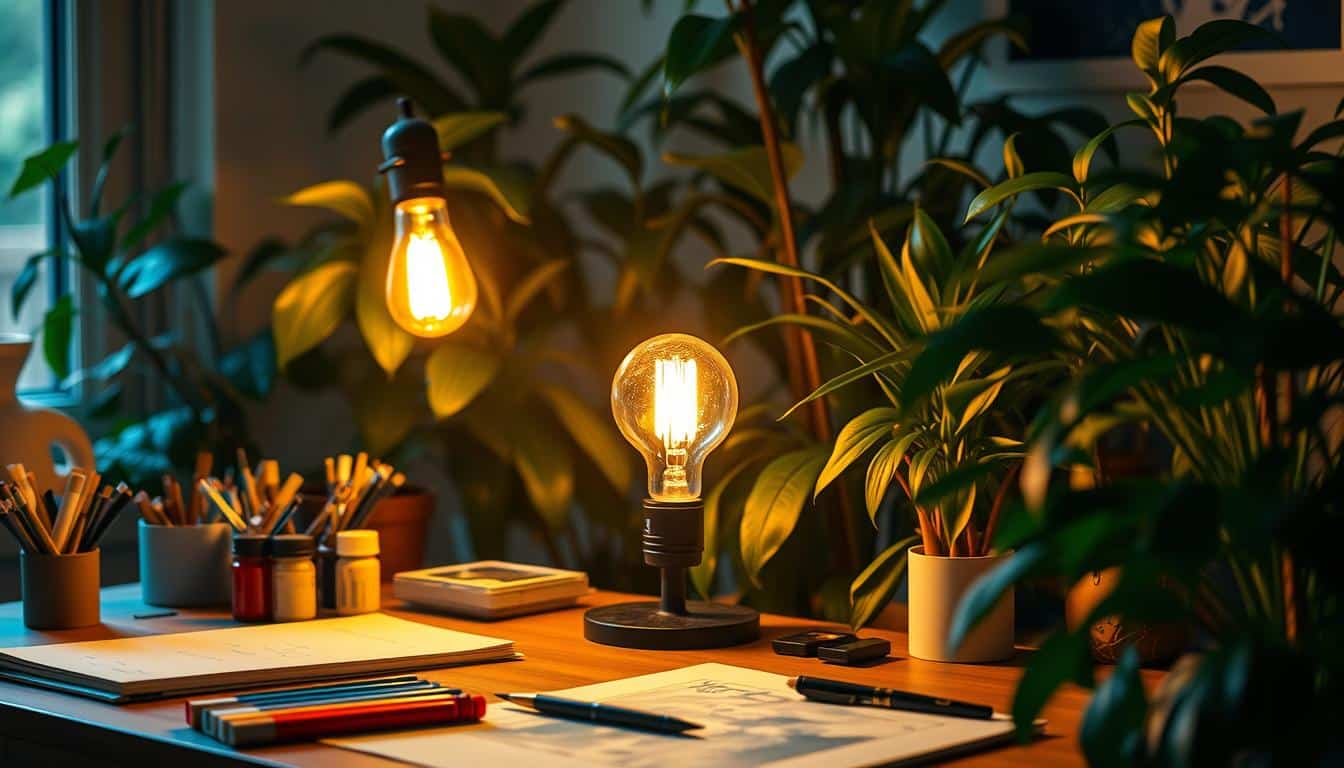
- Arc lamps and exposed-bulb table lamps: add height and focused light to reading areas or group spots. They go well with modern decor.
- Wall-mounted swing-arm fixtures: save desk space and give focused light right where you need it.
Accent and ambient lighting add warmth and complete the office look.
- Floor lamps: create relaxing reading spots and add height. Choose slim ones for small spaces.
- Picture lights and small directional fixtures: spotlight artwork and shelves, adding depth and variety.
- Plug-in wall sconces: easy to move and perfect for lease places or small desks needing extra light.
Choosing materials and finishes can affect the look. Brass brings timeless warmth, while matte black fits modern styles. Glass looks light and airy. Rattan adds texture. Use the same finishes on all affordable ceiling fixtures and office lamps for a unified design.
Save money by choosing simple, quality bases and consistent bulb types. Small touches like consistent finishes and smart placement turn affordable items like plug-in sconces and office cans into stylish choices.
Smart, Low-Cost Bulb and Control Choices to Save Energy
Changing bulbs and control systems can quickly lower your energy use and better your office lighting. Even small changes can lead to big savings, less maintenance, and more adaptable spaces for various activities.
-
LED advantages. The perks of LEDs in offices are obvious: they need much less energy than traditional bulbs and can last a very long time. By choosing LED retrofit kits or integrated LED fixtures, you’ll see lower electric bills and fewer bulb changes.
-
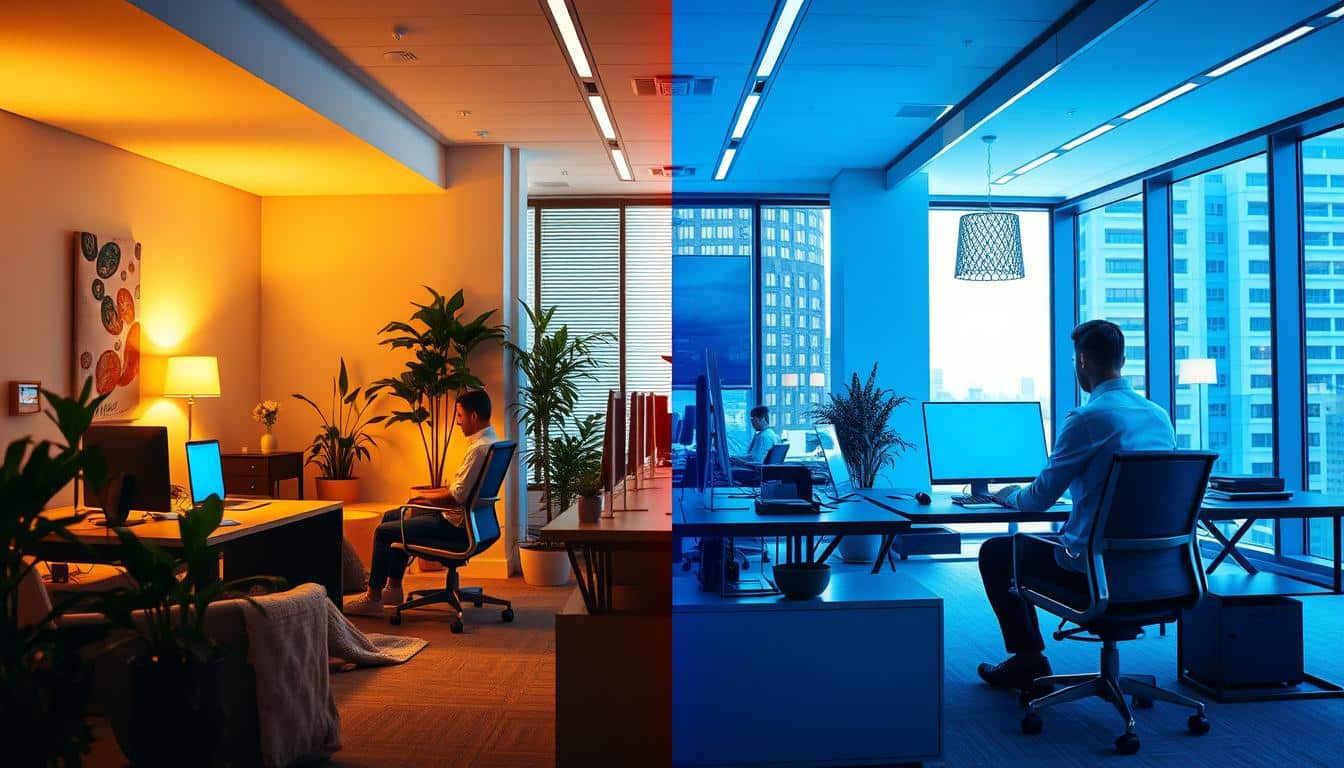
Pick the right warmth and accuracy. Select 4000K–5000K for areas where concentration is key. For resting spaces, 2700K–3000K works best. It’s important to consider both color temperature and the Color Rendering Index (CRI) in office lights to keep colors accurate; aim for a CRI of 90+ for the truest colors.
-
Controls that pay back fast. Affordable dimmers and smart plugs allow for easy adjustments, scheduling, and reduced usage without needing a complex system. Opt for LED-compatible dimmers, timers, or Wi‑Fi smart plugs to automatically manage lighting, saving energy in the process.
Choosing the right options is crucial. Match the bulb’s shape and finish with visible fixtures. Opt for brighter LEDs for main tasks and softer ones for added warmth in decorative lighting. Always check if your dimmers work well with your LEDs to prevent flickering and extend bulb life.
-
Begin by replacing outdated A-type or globe bulbs to quickly see energy and lifespan improvements.
-
Focus upgrades on important areas—like conference rooms and design spaces—with high-CRI LEDs for accurate colors that enhance work.
-
Introduce affordable dimmers, smart plugs, and timers in spaces with changing occupancy. These devices can daily cut down on light usage.
For those considering their options, remember that while CFLs might be less expensive at first, they contain mercury and lose brightness faster than LEDs. Spending a little more on LEDs and straightforward controls means better lighting, fewer bulb changes, and reduced costs over time.
DIY Upgrades and Placement Tips to Maximize Light for Less
Small changes can really change a workspace when you’re on a budget. By focusing on smart placement of lights, using reflective materials, and choosing renter-friendly options, you can make your space brighter without needing to rewire. These tricks are perfect for any space, whether it’s open, a tiny closet turned office, or a space shared with others.
Optimizing fixture placement to reduce shadows and improve even distribution
To avoid glare, don’t place overhead lights directly above screens or in your line of sight. Angle ceiling cans or tracks to light up work areas without harshness. If you’re using a desk lamp, put it on the opposite side of your dominant hand to reduce shadows.
Using a mix of ceiling, floor, and desk lamps can light up a room evenly. Point adjustable fixtures toward dark spots to even out the light and make everything look consistent.
Using reflective surfaces and light-colored walls to amplify daylight
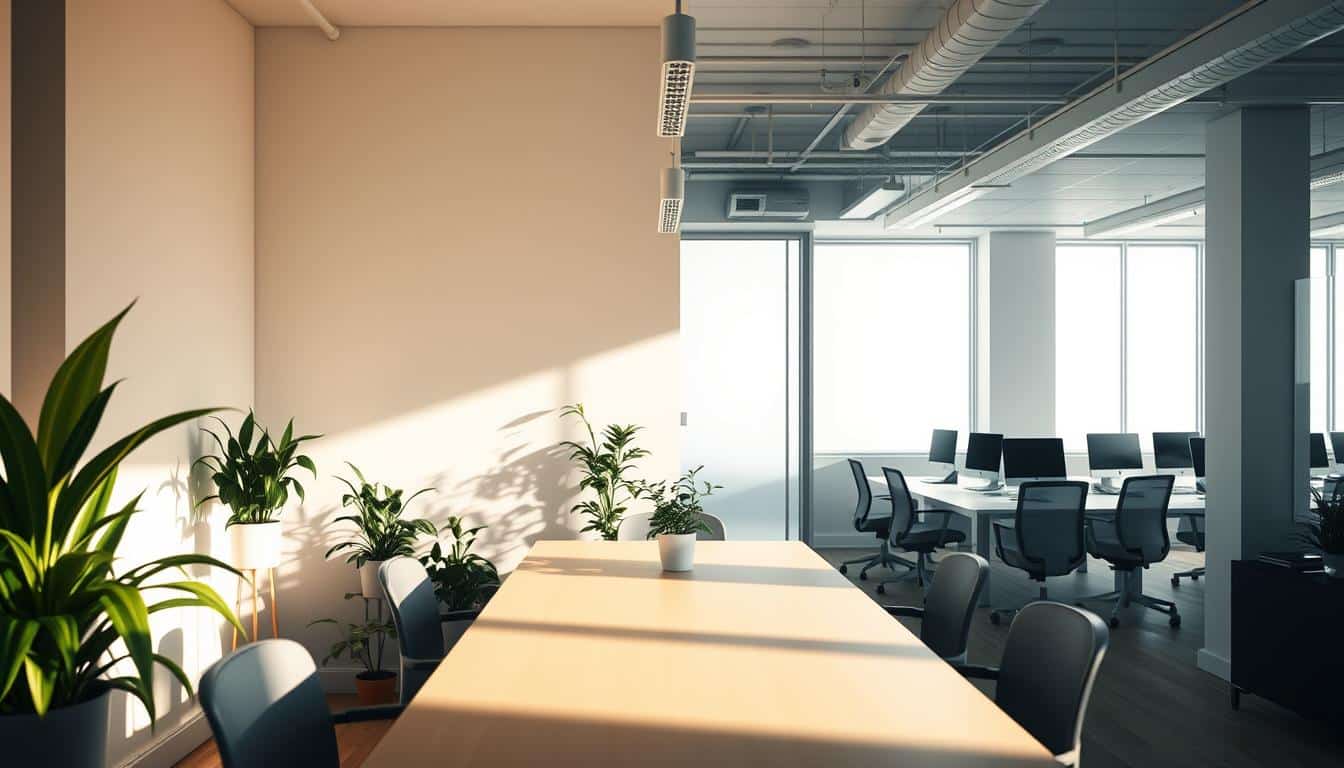
Choose soft whites or neutrals for walls with a slight shine to bounce light around. Mirrors placed across from windows can double the natural light in your workspace. Adding shiny trays or metallic accessories near windows can also spread light further into the room.
Easy DIY installs: plug-in sconces, adhesive puck lights, and LED strip placement
Plug-in sconces are an easy way to add ambient lighting with just a wall socket. Battery or remote-controlled puck lights are great for lighting up shelves or closets without the need to drill holes. Stick LED strips under cabinets or behind screens to reduce glare and make looking at your monitor easier.
- Adding LED strips to cabinets or shelves can also boost the room’s overall light.
- Battery-powered, dimmable puck lights with a remote are great for lighting hard-to-reach spots without the mess of wires.
- Keep cords neat and safe with clips and covers to avoid any trips or mess.
Always check the max length for LED strips from the manufacturer and use the right power supplies. For those who rent or move often, go for battery lights that can turn on automatically. These simple lighting tips don’t cost much but can greatly improve how comfortable and functional your office feels.
Maintenance, Common Mistakes, and When to Hire a Pro
Routine care makes office lights reliable and efficient. Clean fixtures and diffusers monthly to remove dust. This improves light output. Promptly replace burned-out bulbs and inspect LED drivers for wear. Checking connections and fixing failing components prevents flicker or dimming.
Regular checks help to avoid big problems. Do scheduled maintenance rounds to check lighting in different areas. Keep a log with bulb types, replacement dates, and any changes to drivers or ballasts. This record makes budgeting easier and boosts savings from energy-efficient lights.
-
Clean lenses and shades gently with a soft cloth.
-
After setting them up, make sure dimmers and controls work.
-
To keep light colors consistent, replace bulbs that don’t match.
Avoiding common mistakes is key when upgrading lighting. A big mistake is buying cheap fixtures that fail quickly, raising costs. Bad layout can cause patchy light and eye strain. The wrong color temperature or low-quality bulbs hurt comfort and how colors look.
Mixing different color lights in one area and using the wrong LEDs can cause flicker. Large pendants in small rooms can be too bright and cause glare. Address these problems early to maintain a professional look and steady light.
-
Ensure bulb CRI and Kelvin ratings suit the room’s needs.
-
Do not mix different types of bulbs in one view.
-
Make sure to use dimmable LEDs with the right controls.
Choosing DIY or professional help depends on safety and the task’s complexity. Easy jobs like replacing bulbs can be done by yourself. For installing fixtures, working on recessed lighting, or wiring fans, get a professional. This ensures safety and meets building codes.
Licensed electricians, from companies like Schneider Electric or local pros, offer safe and quick installations. Though more expensive initially, professional help saves on maintenance and liability. DIY materials for small jobs cost $100–$300. But, professional work ranges from $300–$800 or more.
Spending a bit more on quality LEDs and correct setups saves money later. Follow LED care tips to use lights longer and save on bills. If unsure about wiring or permits, ask a licensed electrician to keep everything safe.
Conclusion
Improving office lighting doesn’t have to be expensive. Start with three steps: pick efficient lights, use different light types, and think about where to put them. Choosing LEDs, retrofit kits, or lights that plug in or use batteries saves money over time and doesn’t cost much to start. This approach shows how small changes like switching to LED bulbs and adding a few task lights can save energy and improve comfort.
Having different lights for overhead, tasks, and mood reduces tired eyes. It also makes spaces better for both work and team meetings. By choosing lights with the right color warmth and high CRI, colors look real and consistent. This helps achieve design aims and keeps workers happy. These lighting tips explain that mixing simple lighting solutions, like semi-flush lights, track lighting, and adjustable desk lamps, can make a space look pro without spending a lot.
Keep lights in good shape, stay away from cheap fixes, and always get a professional electrician for complicated installations to ensure everything is safe and follows the rules. Regular tasks like cleaning lights, switching to LEDs, adding lights for specific tasks, and using shiny paint or mirrors bring benefits quickly. This guide to affordable lighting shows that smart choices and basic care can make an office brighter and more efficient without a big budget.
Content created with the help of Artificial Intelligence.